Diablo 4 Season 14: Death Awakening, the Mythic Overhaul, and Solo Self-Found
On June 30, 2026 at 10 a.m. PDT, Blizzard launched Diablo 4 Season 14, "Season of Death Awakening," on Patch 3.1.0. It arrives in the aftermath of Mephisto's defeat, with the Age of Hatred over and a veil of death settling across Sanctuary. On the surface it is a seasonal story about a death cult tearing rifts to the realm of Pandemonium. Underneath, it carries the biggest itemization change the game has made in a long while, a full crossover event with Overwatch, and a mode players have wanted since launch: Solo Self-Found.
This is a news explainer covering the seasonal mechanic, the Mythic overhaul that changes what a geared character looks like, the new mode and leaderboards, the Overwatch event, and whether you need the expansion. Seasons are free, so most of what follows lands for every Diablo 4 owner.
What is Season of Death Awakening?
Dark rituals are tearing the barrier between Sanctuary and Pandemonium, and closing the resulting rifts is the season's core loop. Here are the four pillars:
The story: A Gospel of Despair
The seasonal questline is called A Gospel of Despair, and it opens with a raven carrying a warning from an old friend. You are sent to investigate the roots of a death cult operating out of Zarbinzet. To start it, you travel to Kyovashad on the Seasonal Realm and read an ominous scroll. The cult's rituals are what fracture reality and set the season's core activity in motion.
Pandemonium Ruptures: the seasonal mechanic
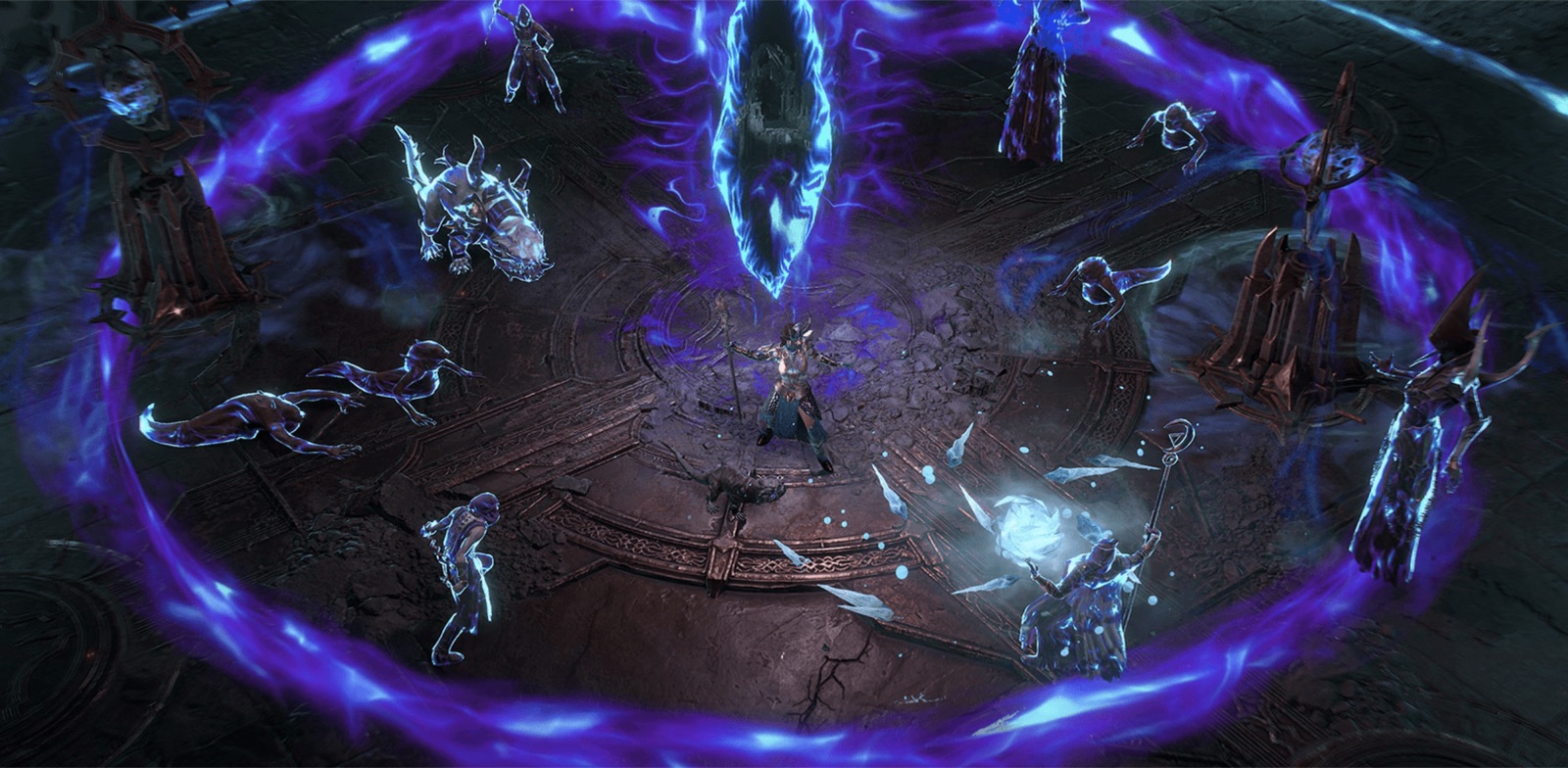
Pandemonium Ruptures are arcane rifts torn open across Sanctuary by the cult's dark rituals. They appear anywhere, but they show up far more often inside Helltides. To open one, you clear the guardians around a Death's Head Idol, which casts a ritual ring on the ground. From there, the goal is to keep the rupture open as long as you can, because the longer it stays open, the more it rewards you. Killing monsters and sealing the Tears that form inside the ring both extend its lifespan. Rupture Goblins can also appear out in the world and open extra ruptures on their own.
Closing a rupture earns Glints of Hope, which you spend at a reputation board in Zarbinzet, and it is also a source of Pandemonium Fragments, the season's Mythic-crafting currency. There are three tiers:
| Tier | Where it spawns & Realmwalker chance |
|---|---|
| Ruptures | Across the overworld, especially in Helltides. Cannot summon a Realmwalker. |
| Surging Ruptures | Replace a local Helltide event. A chance to spawn a Realmwalker when completed with Mastery. |
| Colossal Ruptures | Only in the Fields of Desecration, the World Boss arena southeast of Zarbinzet. Guarantees a Realmwalker. |
Ruptures also bring a new monster family, the Risen. Gravehounds pour out of the rifts and, when killed, drop orbs that drift toward a special Risen called the Exarch. If the Exarch absorbs those orbs it gains a powerful attack, so intercepting them before they arrive is the key to the fight. Blizzard also tuned the mechanic after the public test: tears close faster and reappear more quickly, Normal-difficulty mob and elite density was dialed back, and ruptures now hand out more Pandemonium Fragments.
Realmwalkers and the Deathtoll Chamber
Defeating a Realmwalker opens a portal to a Deathtoll Chamber, a one-room mini-dungeon with its own rupture activity to complete for extra rewards. You can also reach a Deathtoll Chamber from a Nightmare Dungeon carrying the Rupture affix once you have closed enough Tears. The chamber matters because it is the best source of Superior Lair Keys, which you need to open the seasonal boss's hoard in Torment I and above.
The Corrupted Reaper
The season's Lair Boss is the Corrupted Reaper, whose lair, the Pandemonium Threshold, sits in Zarbinzet. You first face it during the seasonal questline, after which it becomes a repeatable target. Opening its rewards cache requires Superior Lair Keys, and the payoff is significant: it carries the best direct drop rates in the game for both Mythic Uniques and the Pandemonium Fragments used to craft them.

The big change: Mythic Uniques 3.0
This is the headline for anyone who cares about gear. Mythic is no longer a rarity tier. It is now a modifiable Item Quality that can sit on top of any Unique, which means every Unique in the game can become Mythic. A Mythic Unique is always Ancestral, has its Unique Power increased by 30%, and rolls all other affixes at maximum values. There are several ways to get one:
Crafting unlocks at level 70 in Torment and above. You feed the Horadric Cube (or the Jeweler's rune crafting) a single Unique of item level 850 or higher in the slot you want, plus the reagents: five Pandemonium Fragments in the Cube, or eighteen specific Runes and three Resplendent Sparks at the Jeweler. The output is a random Mythic Unique for that same slot, with its affixes re-rolled, so there is no benefit to matching a specific base item. Great Affixes can appear but are not guaranteed.
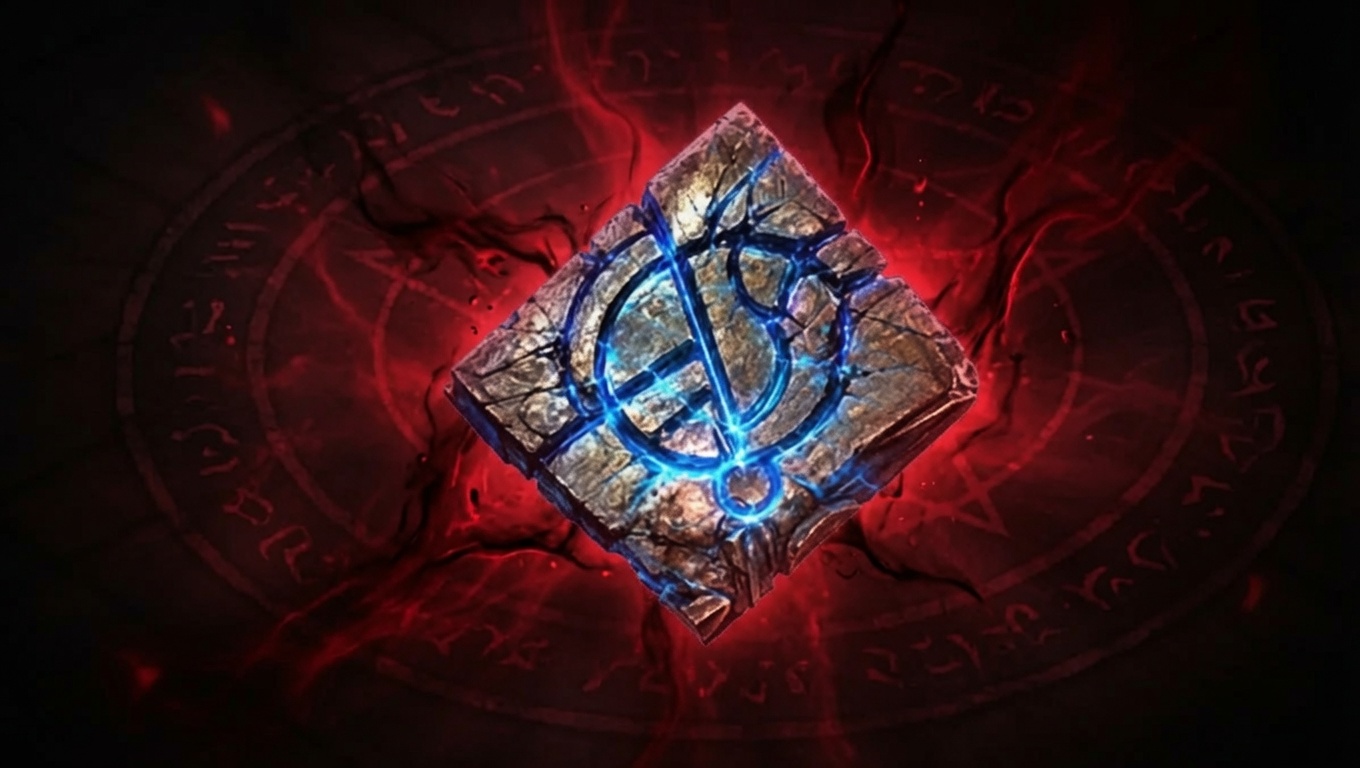
Two more itemization notes ship alongside it. The former Mythic Uniques, chase items like the Melted Heart of Selig, are now called Iconic Mythics; you can no longer make them at the Jeweler, though the Blacksmith can still produce random ones. And after some back-and-forth during testing, all Uniques, Mythic Uniques, and Iconic Mythics keep two guaranteed affixes, preserving their identity while leaving room for build variety. The net effect is a genuine pivot: build-crafting now centers on choosing a single Unique to elevate and farming Pandemonium Fragments to do it.
The Diablo IV x Overwatch collaboration
Season 14 also runs a full Overwatch crossover, live from launch day. Killing Elite and Champion monsters earns a currency called Eye of the Overwatch, which you spend in a free Overwatch Reliquary to unlock a set of themed cosmetics, including the game's first-ever earnable dye.
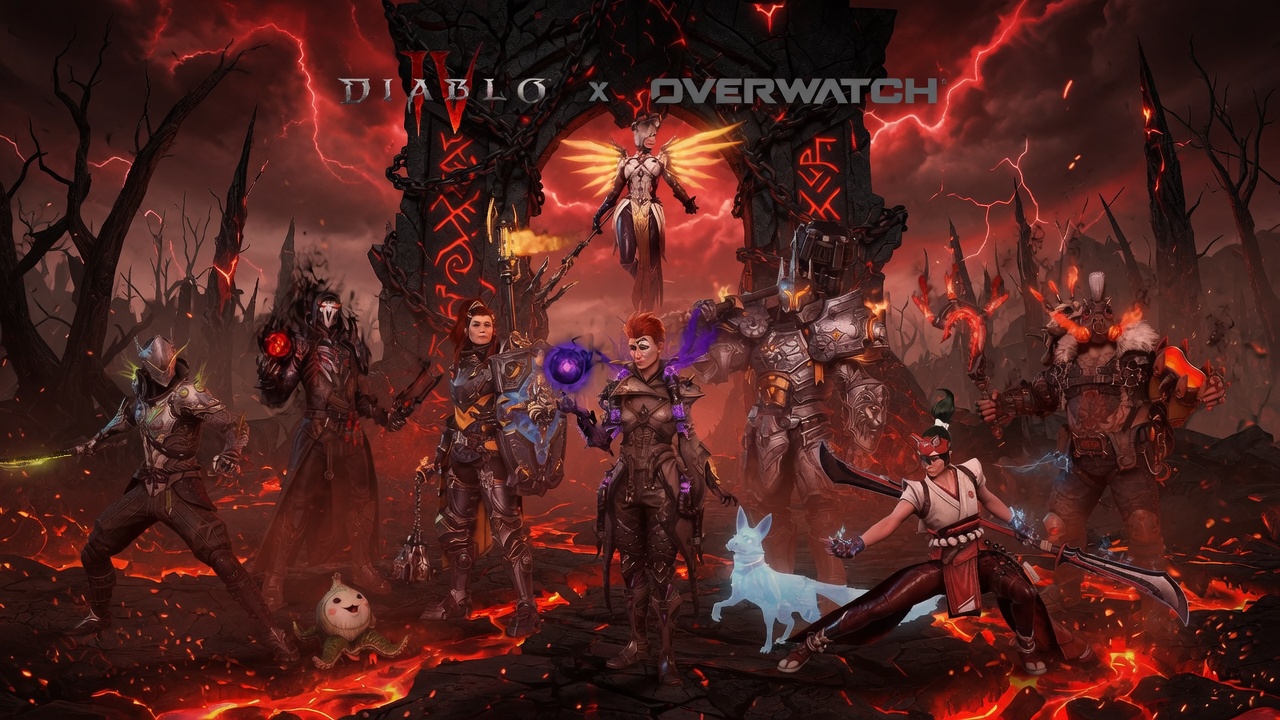
Working through the free track nets:
Completing the Reliquary awards Kiriko's Fox Spirit, an ethereal companion, and there are additional Overwatch-themed skins available to buy in Tejal's Shop for anyone who wants the full crossover look.
Solo Self-Found and the Leaderboards
The long-requested addition is Solo Self-Found (SSF), a character state where everything must be earned alone. The rules:
- No trading and no grouping. SSF characters play entirely solo.
- Seasonal only, and either Normal or Hardcore.
- Permanent for the season once chosen. There is no opting out.
- Stash, currency, and Paragon are shared only among your other SSF characters on the same account.
- Unavailable for the Free Trial, Couch Co-Op, and the Dark Citadel. At season's end, SSF characters convert to Eternal with trading and grouping restored.
- Progression: playing the Tower, and reaching Tier 100 or higher.
- Ranks: Top 1,000, Top 500, Top 100, Top 10, and Top 1 on any leaderboard.
Season Rank rewards and Blessings
The seasonal progression track is deep this time: nine ranks and more than 120 objectives. Working through them pays out skill points, Paragon points, Resplendent Sparks, five Mythic Unique Caches, a Greystone pet, the Remains of the Reaper mount trophy, multiple titles and emblems, and a steady stream of crafting materials and caches. Note that roughly 15% of the objectives require the Lord of Hatred expansion, so a small slice of the rewards is gated behind it.
Layered on top are Season Blessings. You earn Smoldering Ashes from objectives and chapter rewards, then spend them on a set of Urns that boost your season: more Glints of Hope reputation, better salvage returns, more Masterworking materials, extra glyph upgrades, and improved Ancestral cache odds from Whispers.
Quality of life and the free Warlock trial
Patch 3.1.0 also brings a batch of convenience changes. The standout is War Plans party sync, which lets a group generate and share a single War Plans board so you can run the endgame path together, plus increased War Plan XP scaling into the higher Torment tiers. On the housekeeping side, the Obol cap rose to 25,000 and the gold cap was raised dramatically, alongside various map and recipe fixes.
The season also runs a free Warlock trial from June 30 to July 7, letting anyone play the expansion's Warlock class up to level 30. If you pick up the Lord of Hatred expansion afterward, your progress carries forward on the same character.
Do you need the expansion?
No. Seasons are free content for all Diablo 4 owners, and Season of Death Awakening does not require the Lord of Hatred expansion to play. The one caveat is that around 15% of the Season Rank objectives are tied to expansion content, so a minority of those specific rewards need it. For context, Lord of Hatred launched in late April 2026 and added the Paladin and Warlock classes plus the region of Skovos.
What is coming next for Diablo 4?
Blizzard has not announced a Season 15 name, date, or mechanic yet. On the game's roughly three-month cadence, the next season is generally expected in the fall, and a 2027 roadmap is widely anticipated around BlizzCon 2026, but treat both as expectations rather than confirmed dates. In the near term, expect incremental 3.1.x balance patches as the meta settles.
What it means for players
This is a genuinely full season: a new farm loop in Pandemonium Ruptures, a real reason to hunt the Corrupted Reaper, a crossover event, and an itemization system that changes how you build. For the competitive crowd, Solo Self-Found and full leaderboards give a clean way to measure solo progress. And because the Mythic change alters what a top-end character is even worth, it is one of those updates where what makes a geared account valuable genuinely shifts.
FAQ
When did Diablo 4 Season 14 release?
Season 14, Season of Death Awakening, launched on June 30, 2026 at 10 a.m. PDT on Patch 3.1.0, with pre-download available from June 25. It is free for all Diablo 4 owners.
What is the seasonal mechanic?
Pandemonium Ruptures: rifts you open at Death's Head Idols and keep open by killing monsters and sealing Tears, earning Glints of Hope and Pandemonium Fragments. They come in three tiers (Ruptures, Surging, Colossal), and the higher tiers spawn Realmwalkers that open Deathtoll Chambers leading to the seasonal boss, the Corrupted Reaper.
What changed with Mythic items?
Mythic is now an Item Quality rather than a rarity. Any Unique can be upgraded to Mythic, which gives it +30% Unique Power, maximum affix values, and always-Ancestral status. You can craft them in the Horadric Cube with Pandemonium Fragments or at the Jeweler with Runes and Resplendent Sparks, but you can only equip one crafted Mythic Unique at a time (drops and caches are unlimited).
How do I craft a Mythic Unique?
Crafting unlocks at level 70 in Torment and above. You supply a single item-level-850-or-higher Unique in the slot you want, plus five Pandemonium Fragments in the Horadric Cube, or eighteen Runes and three Resplendent Sparks at the Jeweler. The result is a random Mythic Unique for that slot with re-rolled affixes.
What is the Overwatch collaboration?
A free crossover event live from launch. Killing Elite and Champion monsters earns Eye of the Overwatch currency, which unlocks cosmetics in a free Overwatch Reliquary, including weapon skins, an earnable dye, and Kiriko's Fox Spirit pet, with extra Overwatch skins available in Tejal's Shop.
How does Solo Self-Found work?
Solo Self-Found is a seasonal character state with no trading and no grouping. It is permanent for the season, shares stash and currency only among your SSF characters, and has its own leaderboards. Characters migrate to Eternal at the end of the season.
Do I need the Lord of Hatred expansion?
No, the season is free for all Diablo 4 owners. Only about 15% of the Season Rank objectives require the expansion, so a small portion of those rewards is gated behind it.
Buy or sell Diablo 4 accounts?
Browse available Diablo 4 accounts from screened sellers.